
Analytics & Keywords Intelligence
Transform raw search data into actionable insights. Track keyword rankings, monitor performance metrics, and make data-driven decisions with Google Search Console integration and AI-powered analytics.
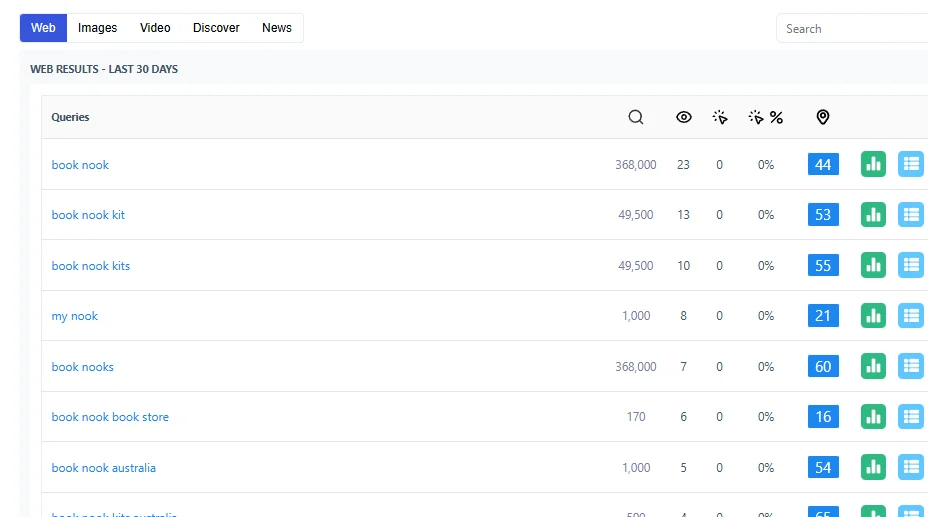
Real-Time Performance Tracking. Monitor clicks, impressions, CTR, and rankings with live Google Search Console data integration.
Keyword Position Monitoring. Track keyword rankings across all your products and pages with historical trend analysis and movement alerts.
AI-Powered Insights. Get intelligent recommendations based on performance patterns, keyword opportunities, and competitive analysis.
Why Data-Driven SEO Matters
Turn insights into action
Accelerate Growth
Identify high-potential keywords and optimize content for maximum traffic impact
Precision Targeting
Focus on keywords that drive conversions, not just traffic volume
Competitive Intelligence
Track rankings against competitors and discover untapped keyword opportunities
Performance Validation
Measure the impact of SEO changes with clear before/after metrics
How Analytics Works
From data collection to actionable insights in four simple steps
Connect Google Search Console
Automatic Data Sync
AI Analysis & Insights
Optimize & Track
Google Search Console Integration
Comprehensive search performance data synchronized directly from Google Search Console
Performance Metrics
- Total clicks
- Impressions count
- CTR percentage
Most Popular Queries
- Top keywords
- Search volumes
- Position tracking
Most Popular Pages
- Traffic leaders
- URL rankings
- Page trends
Device Breakdown
- Mobile traffic
- Desktop traffic
- Tablet usage
Geographic Distribution
- Top countries
- Regional trends
- Market insights
Search Appearance
- Web results
- Image search
- Discover traffic
Timeframe Filtering
- Last 7/30/90 days
- Daily/monthly view
- Custom ranges
Data Visualization
- Trend graphs
- Statistical charts
- Performance indicators
Keyword Position Tracking
Monitor keyword rankings and discover optimization opportunities across your entire catalog
Rank Monitoring
- Real-time positions
- Movement alerts
- Historical trends
Focus Keywords
- Store-level targets
- Product keywords
- Priority tracking
Opportunity Discovery
- Low-hanging fruit
- Quick win keywords
- Gap analysis
Competitor Analysis
- Ranking comparison
- Keyword gaps
- Market insights
Vision AI Keywords
- Image analysis
- Auto suggestions
- Context keywords
AI-Powered Recommendations
Intelligent insights that turn data into actionable SEO strategy
Pattern Recognition
- Traffic patterns
- Seasonal trends
- Anomaly detection
Content Suggestions
- Title optimization
- Description tips
- Keyword placement
Smart Alerts
- Ranking drops
- Traffic spikes
- Opportunity alerts
Page Tracker Integration
Monitor your most important pages with dedicated tracking and performance alerts
Tracking Features
- Monitor up to 12 pages
- Real-time updates
- Historical comparison
Email Notifications
- Weekly insights
- Traffic change alerts
- Performance summaries
Before/After Comparison
- Ranking changes tracked
- Traffic improvements
- Click growth measured
Best Practices
Follow these guidelines to maximize your analytics and keyword strategy effectiveness
-
Track Multiple Keyword Variations
Monitor long-tail keywords, plurals, and related terms to capture the full search landscape for your products.
-
Review Analytics Weekly
Regular monitoring helps identify trends early and allows quick response to ranking changes or traffic shifts.
-
Focus on CTR Improvements
Pages with high impressions but low CTR are prime optimization targets - improve titles and descriptions to boost clicks.
-
Leverage AI Keyword Suggestions
Use Vision AI-generated keywords from product images to discover relevant terms you might have missed manually.
-
Compare Device Performance
Mobile and desktop users search differently - analyze device-specific data to optimize for both audiences.
-
Don't Ignore Low-Traffic Keywords
Long-tail keywords with lower search volume often have higher conversion rates and less competition.
-
Don't Keyword Stuff
Focus on natural keyword integration - overstuffing damages user experience and can trigger search engine penalties.
-
Don't React to Daily Fluctuations
Rankings naturally vary day-to-day - focus on weekly and monthly trends rather than single-day movements.
-
Don't Neglect Search Intent
Match keywords to user intent - informational, navigational, and transactional queries require different optimization approaches.
-
Don't Skip Historical Analysis
Compare current performance to past periods to identify seasonal patterns and measure improvement over time.